In France, waiters don't bring the check until you ask for it — it's a sign of respect, not neglect. Bringing it early is considered rude, as if you're being pushed out the door. Just say "L'addition, s'il vous plaît" ("The check, please") and it will come right away. Once you know this one sentence, the whole meal feels different.
The wait that isn't what it seems
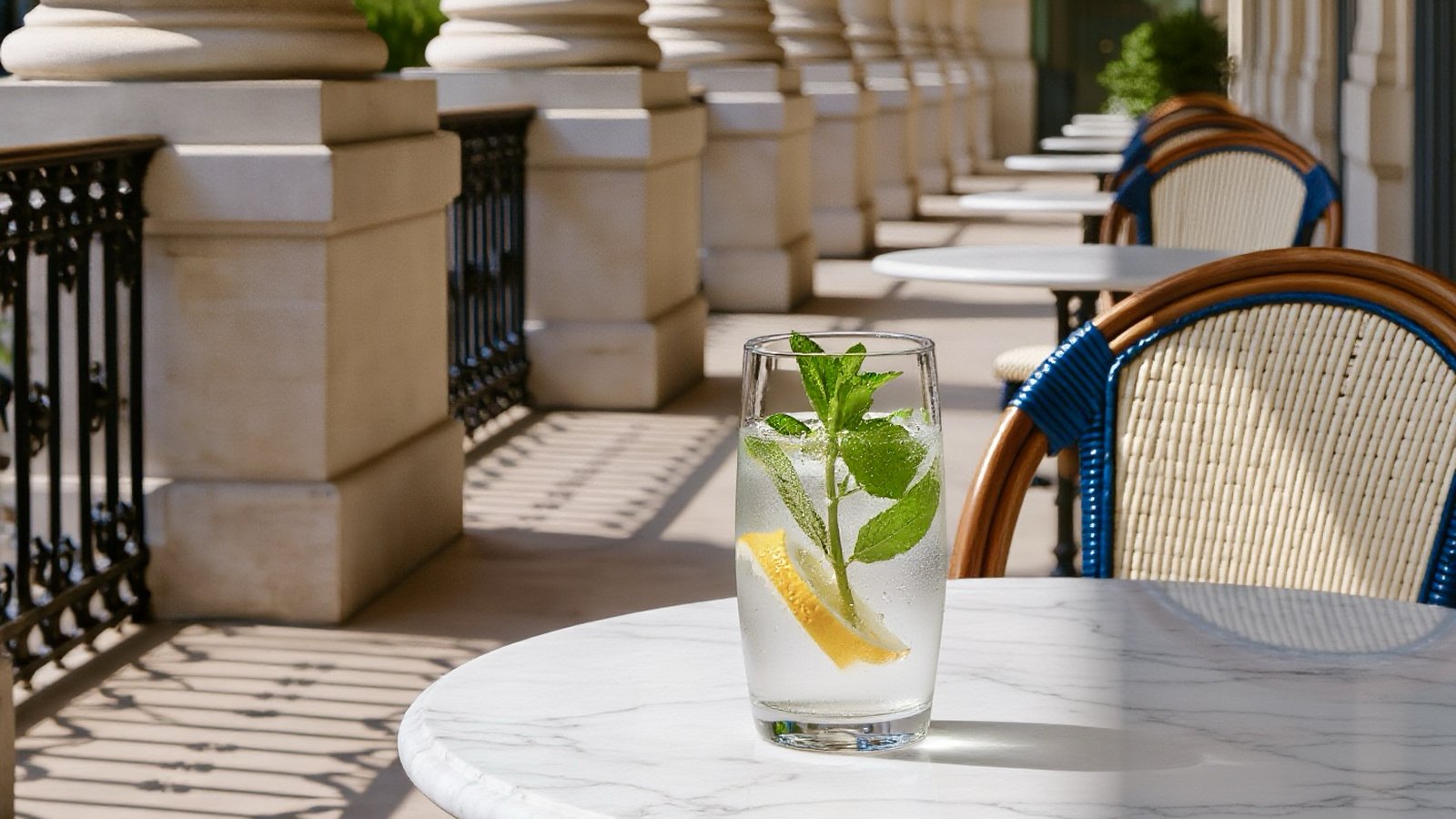
Imagine you've just finished a wonderful lunch on a sunny terrace in Nice. You've enjoyed your meal, you're ready to leave... but the waiter never brings the check.
If you're American, you might start wondering: "Did they forget about us? Are we invisible? Did we do something wrong?"
The answer is simple: no. Nobody forgot you. Nothing went wrong.
Why French waiters don't rush the check
In France, bringing the check before the customer asks for it is often considered impolite. Restaurants want guests to enjoy their meal without feeling rushed. Unlike in many American restaurants, where the check often lands on the table the moment your fork touches down, a French table is yours until you're ready to leave.
It's not slow service. It's a different definition of good service — one where interrupting your conversation to hand you a bill, before you've asked for it, would actually be seen as pushing you out the door.
The one sentence you need
Simply say it to your waiter, clearly and with a smile:
🇫🇷 L'addition, s'il vous plaît.
"The check, please."
Pronounced: loh-dee-see-ohn, seel voo pleh
It's polite, natural, and used everywhere in France — from a simple café to a nicer restaurant. Say it, or catch your waiter's eye and give a small nod, and the check will follow within a minute or two.
How to actually get your waiter's attention
So if no one's hovering by your table, how do you signal you're ready without waving your arms across the terrace? Two things work everywhere in France.
Eye contact and a small nod. French waiters are trained to watch their tables from a distance rather than stand over them. A brief moment of eye contact, followed by a small nod or a lifted hand, is enough — they'll come when they can, usually within a minute.
The "signing" gesture. If your waiter is farther away, the universal French shorthand is to mime signing a piece of paper in the air with an invisible pen. Every waiter in France recognizes it instantly, and it says l'addition without you needing to raise your voice across the room. Pair it with "L'addition, s'il vous plaît" once they're close enough to hear you, and you're set.
Cash, card, and splitting the bill
Once the check arrives, a few more things work differently than you might expect.
The card machine comes to you. In most French restaurants, the waiter brings a small portable card reader directly to your table — you rarely walk up to a counter to pay, and you almost never hand your card away to be run in the back.
Splitting the bill isn't automatic. Unlike some countries where "separate checks" is a routine question, French restaurants generally prepare one bill per table by default. If you want to split it, ask upfront: "On peut payer séparément ?" ("Can we pay separately?"). Some smaller or busier places may say no — it's not personal, it's just less common practice, especially for larger groups.
Tipping is not expected the way it is in the US. Service is already included in the price by law (service compris), so there's no obligation to calculate a percentage. Rounding up or leaving a couple of euros for good service is a nice gesture, but no one will chase you down for more, and no one will judge you for leaving nothing at all.
A small cultural difference that changes everything
Many visitors believe French service is slow. In reality, it's simply different. French meals are meant to be enjoyed. Conversation matters. Taking your time matters. No one wants to interrupt your lunch by placing the bill on the table before you're ready — that would break the whole point of sitting down in the first place.
This isn't a restaurant-industry quirk — it reflects something broader about how meals work in France. A lunch isn't a slot to be turned over quickly; it's often the best part of the day. Two hours at the table with good conversation isn't the exception, it's the plan. Once a waiter senses you're settled in for that kind of meal, bringing the check unprompted would feel like telling you time's up — which is exactly the opposite of French hospitality.
Once you understand this cultural difference, restaurant experiences suddenly become much more enjoyable. You stop watching the door for a waiter who "should" be coming, and you start actually enjoying the extra twenty minutes on the terrace.
Bonus tip: choosing your own table
If you're sitting at a café terrace, don't be surprised if you choose your own table. In many French cafés, you simply sit down first and order afterwards — no one shows you to a seat. It's completely normal, and it works the same way at the end of the meal: you decide when it's time to go, and you say so. For more everyday habits like this one, see the full French café etiquette guide.
Before you travel
Learning just a few everyday expressions can completely change your experience in France. Instead of feeling like a tourist, you'll feel more confident and more connected with the people around you.
Useful expression: L'addition, s'il vous plaît. — The check, please. You'll probably use it every single day during your trip.
👉 Ready for more practical French tips? Explore my practical France travel guides, designed to help you feel confident before, during & beyond France.